Store-bought Alfredo sauce tastes like cardboard mixed with sadness.
There. I said it.
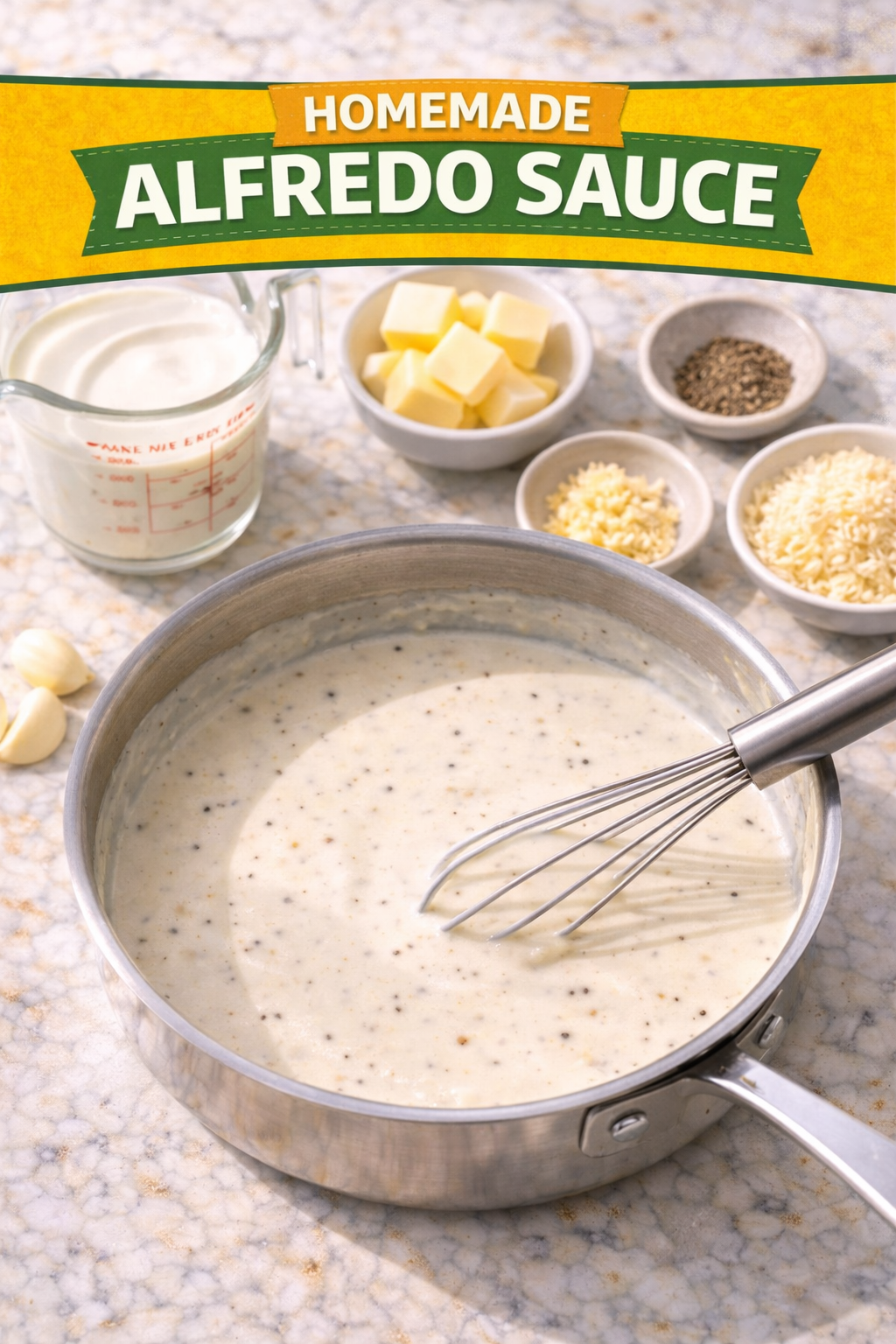
If you’ve been buying those jarred versions thinking “this is fine,” I need you to stop right now. Because once you taste real homemade Alfredo sauce, there’s no going back. We’re talking silky, creamy, restaurant-quality sauce that takes 15 minutes and uses ingredients you probably already have.
And here’s the thing that surprises everyone: authentic Alfredo sauce only has 3 ingredients. Butter, Parmesan, and pasta water. That’s it. No cream. No garlic. No milk.
I know. Mind blown, right?
But I’m going to show you both versions today. The traditional Roman style and the creamy American version we all grew up loving. Because honestly? Both are incredible, and you should know how to make each one.
Let’s get into it.
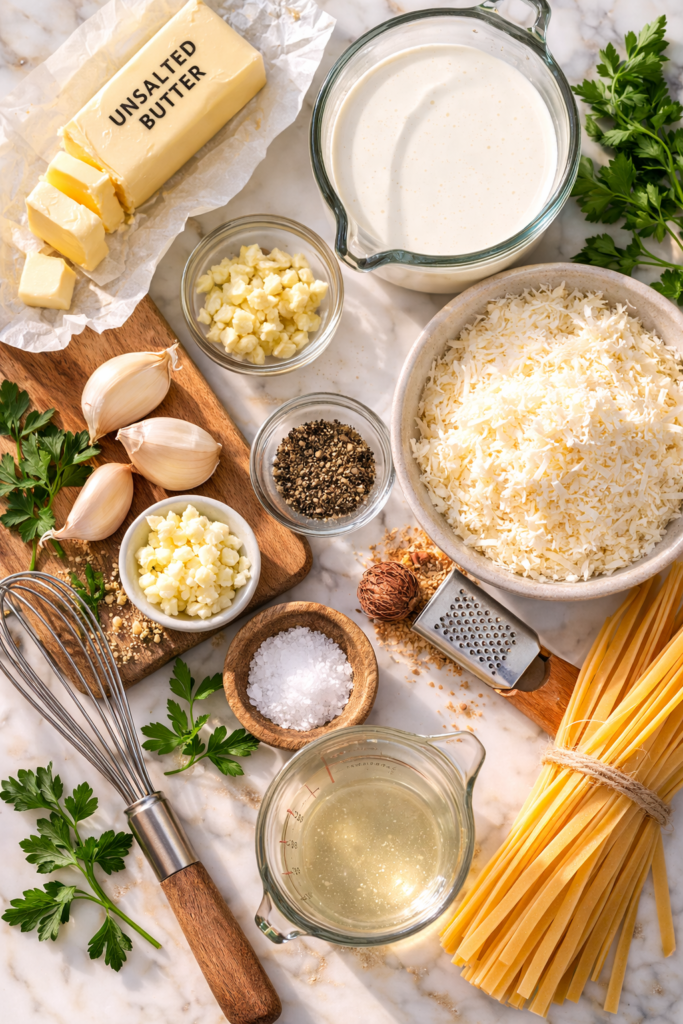
What You’ll Need
For Traditional Alfredo (Alfredo in Bianco):
- 1 cup (8 oz) unsalted butter, room temperature
- 2 cups (8 oz) freshly grated Parmigiano-Reggiano cheese
- 1 lb fettuccine pasta
- Pasta cooking water (reserved)
- Salt for pasta water
For Creamy American Alfredo:
- 4 tablespoons (½ stick) unsalted butter
- 2 cups heavy cream
- 2 cups (8 oz) freshly grated Parmesan cheese
- 3 cloves garlic, minced
- 1 lb fettuccine pasta
- ½ teaspoon black pepper
- ¼ teaspoon nutmeg (optional but magical)
- Salt to taste
- Fresh parsley for garnish
The Parmesan Situation
Can we talk about the cheese for a second?
Do NOT use the pre-grated stuff in the green can. I’m begging you. That’s mostly cellulose (wood pulp) and it won’t melt properly. You’ll end up with grainy, sad sauce.
Buy a block of real Parmigiano-Reggiano or good quality Parmesan and grate it yourself. Yes, it costs more. Yes, your arm might get tired. Yes, it’s 100% worth it.
The cheese should look fluffy and fresh when grated. If it’s been sitting in a bag for weeks, the oils have dried out and it won’t create that signature silky texture.
Tools You’ll Need
Here’s your equipment list:
| Tool | Why You Need It |
|---|---|
| Large pot | For boiling pasta (needs to be big enough for pasta to move freely) |
| Large skillet or sauté pan | Where the magic happens; needs high sides to toss pasta |
| Box grater or microplane | For grating fresh Parmesan cheese |
| Tongs or pasta fork | Essential for tossing and coating pasta |
| Ladle or measuring cup | For reserving pasta water |
| Whisk | Helps create smooth, lump-free sauce |
You probably have all of this already. No fancy equipment needed.
Pro Tips
1. Temperature is Everything
Room temperature butter is non-negotiable for traditional Alfredo. Cold butter won’t emulsify properly with the pasta water. Leave it out for at least 30 minutes before you start.
For the creamy version, don’t let your cream boil aggressively. A gentle simmer is your friend. Boiling = broken sauce.
2. Save That Pasta Water Like Your Life Depends On It
I’m serious. Before you drain your pasta, scoop out at least 2 cups of that starchy cooking water. It’s liquid gold.
The starch in the water is what helps emulsify the sauce and creates that glossy, clingy coating on your pasta. Regular water won’t work. This is the secret ingredient restaurants use.
3. The Toss Method Matters
Don’t just dump sauce on top of your pasta and call it a day. You need to toss everything together off the heat for traditional Alfredo. The residual heat from the pasta and the reserved water create an emulsion.
For creamy Alfredo, add your drained pasta directly to the sauce in the pan and toss for at least 30 seconds. This helps the sauce coat every strand.
4. Freshly Grated Cheese or Bust
I already mentioned this, but it’s so important I’m saying it again. Pre-grated cheese contains anti-caking agents that prevent smooth melting. Your sauce will be grainy and weird.
Grate your cheese right before using it. Fresh is best.
5. Serve Immediately
Alfredo sauce waits for no one. It’s best eaten the moment it’s made. The sauce will thicken as it sits, and while you can revive it with pasta water, nothing beats that first silky bite right off the stove.
How to Make Traditional Alfredo Sauce (Alfredo in Bianco)
This is how they make it in Rome. Simple, elegant, pure.
Step 1: Bring a large pot of heavily salted water to a boil. Your water should taste like the sea. Add fettuccine and cook until al dente (usually 1-2 minutes less than package directions).
Step 2: While pasta cooks, cut your room temperature butter into chunks and place in a large, warm serving bowl.
Step 3: Before draining, reserve 2 cups of pasta water. This is crucial.
Step 4: Drain pasta and immediately add it to the bowl with butter.
Step 5: Add about ½ cup of pasta water and start tossing vigorously with tongs. Keep tossing until butter melts and starts coating the pasta.
Step 6: Add the Parmesan in three additions, tossing constantly. Add more pasta water as needed (a few tablespoons at a time) to keep things creamy.
Step 7: Keep tossing until the sauce looks glossy and coats the back of a spoon. This takes about 2-3 minutes of constant tossing.
Step 8: Season with black pepper and serve immediately in warm bowls.
The sauce should cling to the pasta, not pool at the bottom. If it’s too thick, add more pasta water. Too thin? Add more cheese.
How to Make Creamy American Alfredo Sauce
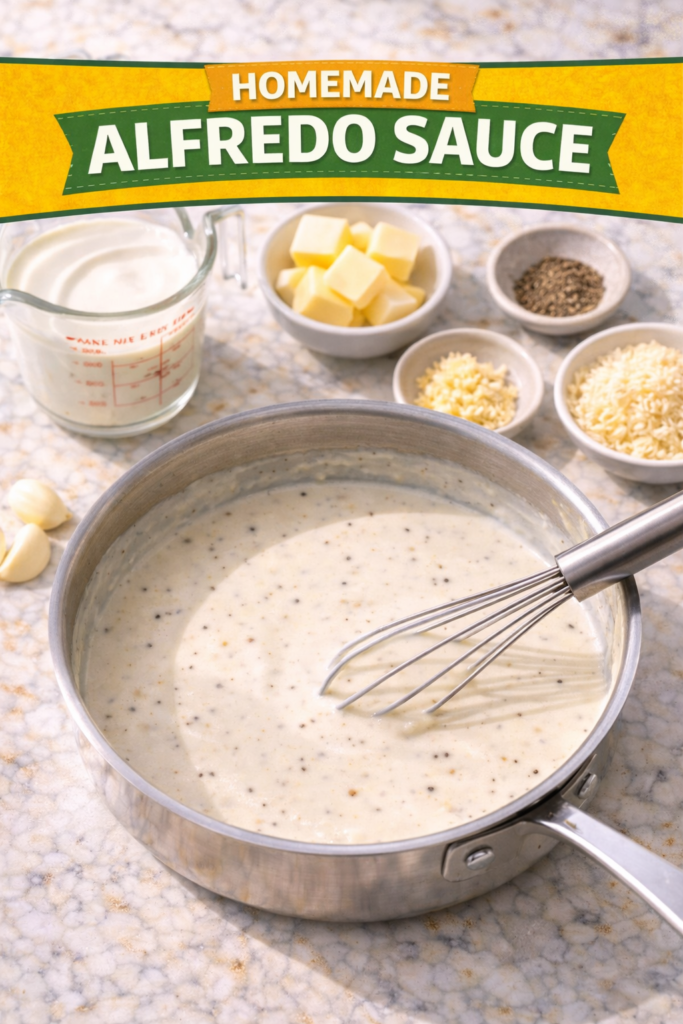
This is the version most of us know and love. Rich, garlicky, indulgent.
Step 1: Cook pasta according to package directions until al dente. Reserve 1 cup pasta water before draining.
Step 2: While pasta cooks, melt butter in a large skillet over medium heat.
Step 3: Add minced garlic and sauté for 1 minute until fragrant. Don’t let it brown or it’ll taste bitter.
Step 4: Pour in heavy cream and bring to a gentle simmer. Reduce heat to medium-low and let it simmer for 5 minutes, stirring occasionally. The cream will thicken slightly.
Step 5: Remove pan from heat and add freshly grated Parmesan in three additions, whisking after each one. The residual heat melts the cheese perfectly.
Step 6: Add black pepper and nutmeg (if using). Taste and add salt if needed (the cheese is salty, so go easy).
Step 7: Add drained pasta to the sauce and toss for 30-60 seconds. Add reserved pasta water if the sauce seems too thick.
Step 8: Garnish with fresh parsley and extra Parmesan. Serve immediately.
Substitutions and Variations
Dairy-Free Version
Replace butter with vegan butter and cream with cashew cream. Use nutritional yeast instead of Parmesan (it won’t be the same, but it’s tasty in its own way).
Lighter Version
Use half-and-half instead of heavy cream. It’ll be less rich but still creamy. You can also use 1 cup cream + 1 cup whole milk.
Protein Add-Ins
- Grilled chicken (classic for a reason)
- Sautéed shrimp (cook these in the butter before adding cream)
- Crispy pancetta or bacon (crumble on top)
- Pan-seared salmon
Veggie Boost
- Sautéed mushrooms
- Roasted broccoli
- Sun-dried tomatoes
- Fresh spinach (wilts right into the sauce)
- Peas (add in the last minute of cooking)
Flavor Variations
- Cajun Alfredo: Add 1-2 tablespoons Cajun seasoning to the cream
- Lemon Alfredo: Add zest of 1 lemon for brightness
- Truffle Alfredo: Finish with truffle oil (just a drizzle, it’s strong!)
- Roasted Garlic Alfredo: Use whole roasted garlic cloves instead of raw
Make Ahead Tips
Here’s the truth: Alfredo is best fresh. But life happens, and sometimes you need options.
Sauce Only (Creamy Version): Make the sauce up to 2 days ahead and store in an airtight container in the fridge. Reheat gently over low heat, whisking in pasta water or cream to bring back the silky texture.
Traditional Version: Don’t make this ahead. It needs to be tossed fresh with hot pasta to create the emulsion.
Prep Work:
- Grate your cheese up to 1 day ahead and store in an airtight container in the fridge
- Mince garlic the morning of
- Measure out your ingredients
Nutritional Information
Per serving (creamy version, serves 4):
| Nutrient | Amount |
|---|---|
| Calories | 720 |
| Total Fat | 48g |
| Saturated Fat | 30g |
| Cholesterol | 155mg |
| Sodium | 680mg |
| Carbohydrates | 52g |
| Fiber | 2g |
| Protein | 22g |
| Calcium | 420mg |
Yes, it’s rich. Yes, it’s indulgent. That’s the point. This isn’t everyday food, it’s special occasion comfort food.
Leftovers and Storage
Refrigerator: Store in an airtight container for up to 3 days. The sauce will thicken dramatically as it cools.
Reheating: Add pasta and sauce to a skillet with a few tablespoons of water, cream, or milk. Heat over medium-low, stirring frequently. Don’t microwave if you can avoid it.
Freezing: I don’t recommend it. Cream-based sauces can separate when frozen and thawed. If you must freeze, do it in individual portions and reheat very gently, whisking constantly.
Revival Tips:
- Add a splash of pasta water, cream, or milk while reheating
- A knob of butter helps bring back silkiness
- Fresh grated Parmesan on top covers a multitude of texture sins
Common Mistakes (And How to Avoid Them)
Grainy Sauce
- Why it happens: Pre-grated cheese, cheese added to sauce that’s too hot, or overheating after adding cheese
- Fix: Always remove from heat before adding cheese. Use freshly grated cheese only.
Broken Sauce
- Why it happens: Sauce was boiled instead of simmered, or cheese was added to boiling liquid
- Fix: Keep heat gentle. If it breaks, try whisking in a tablespoon of cold cream off the heat.
Watery Sauce
- Why it happens: Too much pasta water added or sauce wasn’t simmered long enough
- Fix: Let it simmer a bit longer, or add more cheese to thicken.
Thick, Clumpy Sauce
- Why it happens: Not enough liquid or sauce sat too long
- Fix: Thin with pasta water, regular water, or cream.
FAQ
Can I use milk instead of heavy cream?
You can, but your sauce won’t be as thick or rich. If you do use milk, create a slurry with 1 tablespoon cornstarch + 2 tablespoons cold milk, then whisk it into your simmering milk sauce to help it thicken.
What’s the difference between Alfredo and carbonara?
Great question! Carbonara uses eggs, guanciale (or bacon), and Pecorino Romano cheese. No cream. Alfredo is butter, Parmesan, and (in American versions) cream. Different flavor profiles entirely.
Can I use a different pasta shape?
Absolutely. While fettuccine is traditional, this sauce works beautifully with penne, rigatoni, or even spaghetti. Just make sure you reserve that pasta water.
Why is my sauce separating?
Too high heat after adding cheese is usually the culprit. Cheese proteins can seize up if overheated. Always add cheese off the heat or on very low heat, and never let it boil.
Can I make this without garlic?
For traditional Alfredo, you already skip the garlic. For American style, you can leave it out, but the flavor will be much more subtle. Maybe add a pinch of garlic powder if you want just a hint.
How do I make it less heavy?
Use half-and-half instead of heavy cream. Add sautéed vegetables like broccoli or spinach to bulk it up without adding richness. Or try the traditional version which has no cream at all.
Is Alfredo sauce supposed to be thick?
It should coat the pasta and cling to each strand without being gloppy. Think silky, not stiff. If it pools at the bottom of your bowl, it’s too thin. If it sits on top like paste, it’s too thick.
Wrapping Up
Making Alfredo sauce from scratch is one of those kitchen skills that sounds fancy but is actually ridiculously simple.
You don’t need culinary school. You don’t need special equipment. You just need good ingredients, a little patience, and the willingness to toss your pasta like you mean it.
The traditional version will surprise you with its simplicity. The creamy American version will make you feel like you’re dining at your favorite Italian restaurant. Both will ruin jarred sauce for you forever.
Start with whichever version calls to you. Master it. Then try the other one. Pretty soon you’ll be the person everyone asks to bring pasta to the potluck.
Now I want to hear from you. Are you team traditional or team creamy? Got a secret ingredient you add to your Alfredo? Drop a comment below and let’s talk sauce. 🍝