By Grace Moser | Food & Drink
You know those dinners that look like they took forever but actually took less than 30 minutes? This is that dinner.
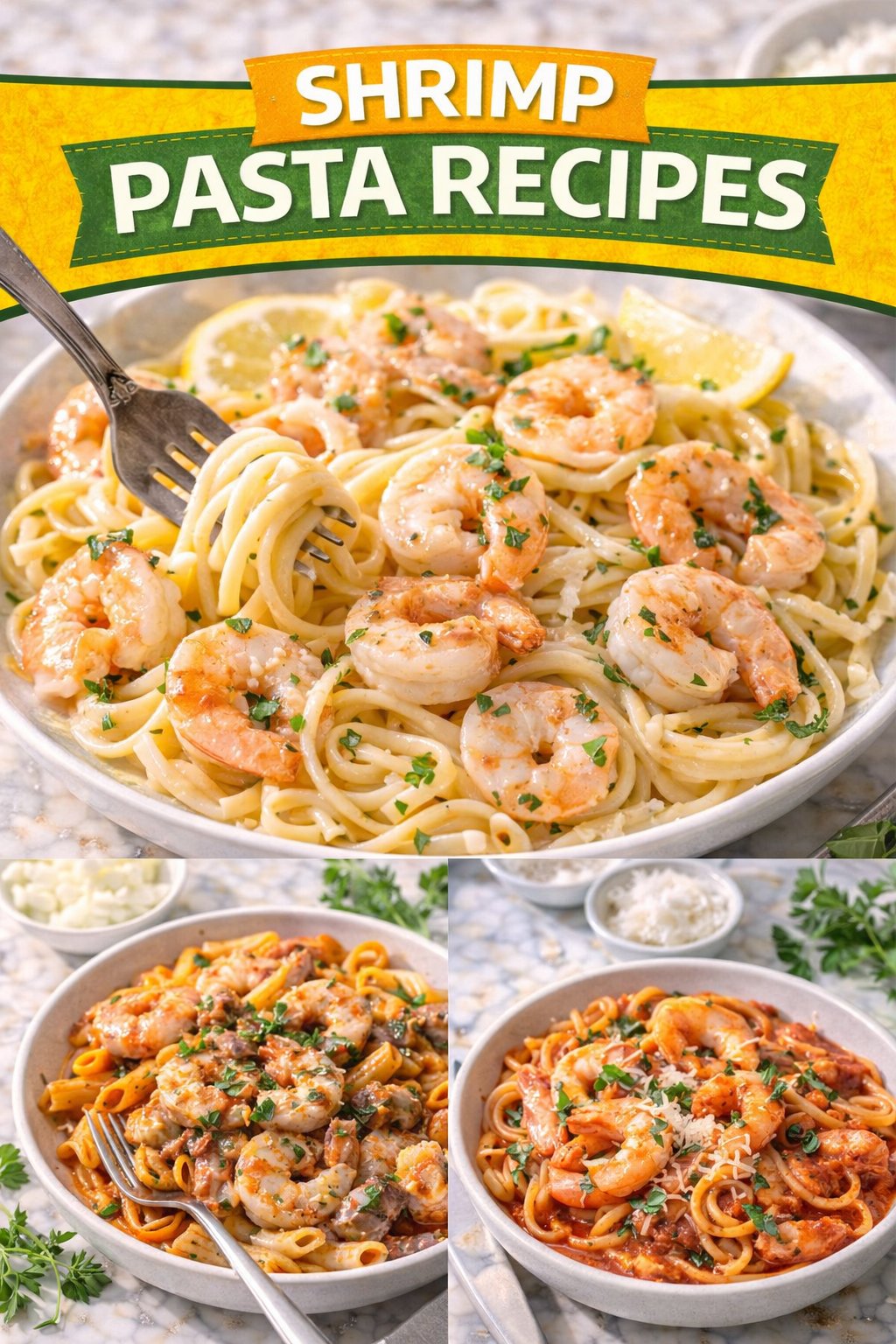
Garlic butter shrimp pasta is one of those recipes that I keep coming back to when I want something that genuinely impresses but doesn’t wreck my evening. It’s packed with flavor, it uses ingredients you probably already have, and it comes together faster than a pizza delivery.
And fair warning — once you make this, it’s going to become a regular thing. You’ve been warned. 😄
Here’s everything you need to know to pull this off perfectly the first time.
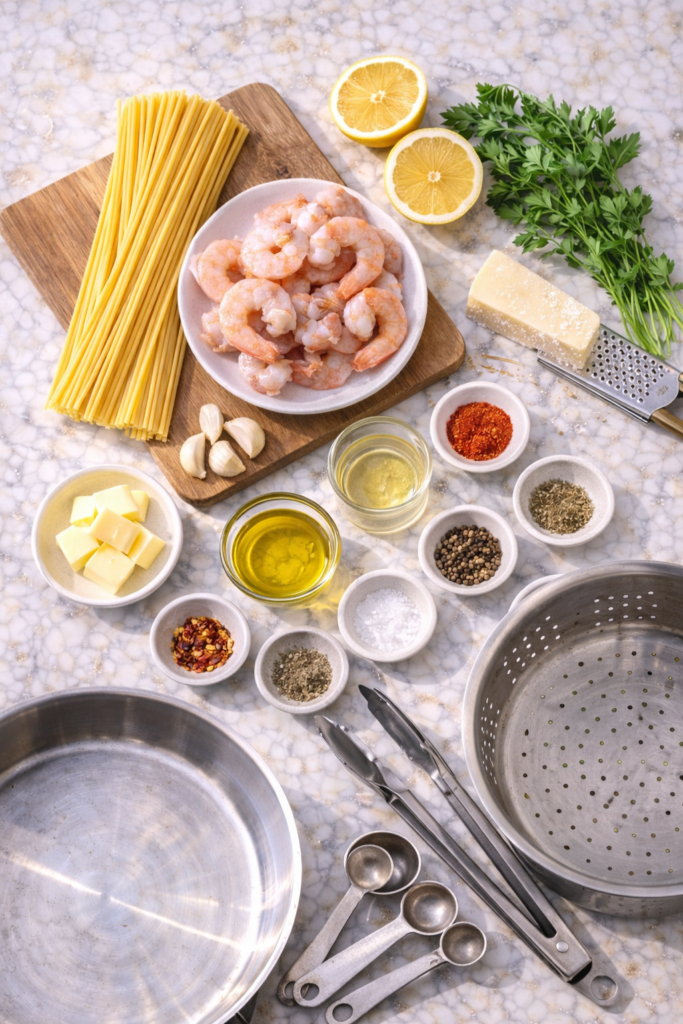
What You’ll Need
For the Pasta
- 12 oz linguine or spaghetti
- 1 tablespoon salt (for pasta water)
For the Shrimp
- 1 lb large shrimp, peeled and deveined (21–25 count per pound)
- 1/2 teaspoon salt
- 1/4 teaspoon black pepper
- 1/4 teaspoon smoked paprika
For the Sauce
- 4 tablespoons unsalted butter, divided
- 3 tablespoons olive oil
- 6 cloves garlic, minced
- 1/2 teaspoon red pepper flakes
- 1/2 cup dry white wine (or chicken broth)
- 1/2 cup reserved pasta water
- 1 lemon — zest and juice
- 1/4 cup fresh flat-leaf parsley, roughly chopped
- 1/3 cup freshly grated Parmesan cheese
Tools You’ll Need
- Large pot (for boiling pasta)
- 12-inch skillet or wide sauté pan
- Colander
- Tongs
- Liquid measuring cup (to scoop pasta water before draining)
- Microplane or box grater (for Parmesan and lemon zest)
- Sharp knife and cutting board
- Measuring spoons
Pro Tips
1. Don’t skip the pasta water. This is the move that most home cooks miss. The starchy pasta water is what makes the sauce silky and glossy instead of thin and watery. Scoop out a full cup before you drain — you might not need all of it, but you’ll be glad you have it.
2. Dry your shrimp before seasoning. Pat them dry with paper towels first. Wet shrimp steam instead of sear, and you lose that gorgeous golden crust that makes everything taste better.
3. Don’t overcook the shrimp. They go from perfect to rubbery really fast. Pull them off the heat the moment they curl into a “C” shape and turn pink. They’ll finish cooking in the sauce.
4. Use cold butter at the end. Adding cold butter off the heat (called “mounting”) is a classic restaurant trick. It gives the sauce a rich, velvety texture without it turning greasy. Game-changer.
5. Season your pasta water generously. It should taste like the sea. This is literally your only chance to season the pasta itself, and it makes a massive difference.
Substitutions and Variations
| Ingredient | Swap It With |
|---|---|
| Linguine | Fettuccine, spaghetti, angel hair, or bucatini |
| White wine | Chicken broth or vegetable broth |
| Shrimp | Scallops, chicken strips, or firm tofu for a vegetarian version |
| Butter | Vegan butter works surprisingly well here |
| Parmesan | Pecorino Romano or nutritional yeast (dairy-free) |
| Parsley | Fresh basil or chives |
| Red pepper flakes | Leave them out for a milder version, or add more if you love heat |
Want to add veggies? Cherry tomatoes, baby spinach, or asparagus tips all work beautifully here. Just toss them in right after the garlic.
Gluten-free? Swap in your favorite GF pasta and reduce the cook time slightly — most GF pasta gets mushy fast if you’re not watching it.
Make Ahead Tips
This dish is honestly best fresh, but there are a few things you can do ahead of time to make weeknight cooking even easier.
- Peel and devein the shrimp up to a day in advance and store them in an airtight container in the fridge.
- Mince the garlic and store it in a small bowl covered with a damp paper towel in the fridge.
- Zest and juice your lemon ahead of time and keep it in a small jar.
With all of that prepped, the actual cook time shrinks down to about 15 minutes. Perfect for those nights when you need dinner fast.
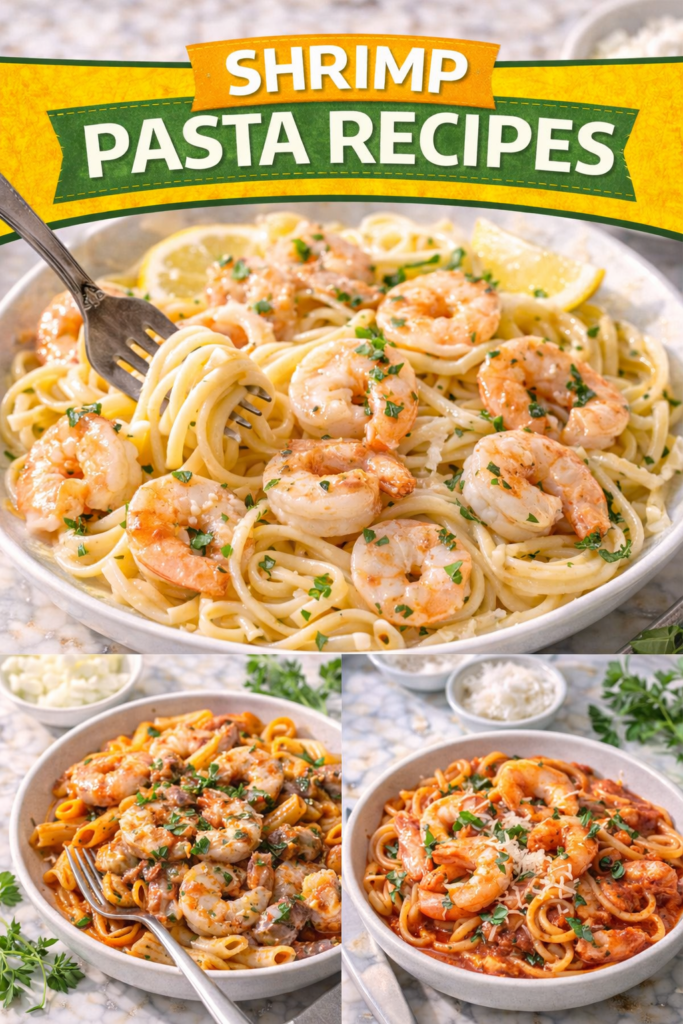
How to Make Garlic Butter Shrimp Pasta
- Boil the pasta. Bring a large pot of water to a boil. Add a generous tablespoon of salt, then cook your linguine according to the package directions until al dente (usually 8–10 minutes). Before draining, scoop out at least 1 cup of pasta water. Then drain and set aside.
- Season the shrimp. Pat your shrimp dry with paper towels. Toss them in salt, black pepper, and smoked paprika until evenly coated.
- Sear the shrimp. Heat 2 tablespoons of butter and the olive oil in a 12-inch skillet over medium-high heat. Once hot, add the shrimp in a single layer. Cook for about 1–2 minutes per side until pink and just barely cooked through. Remove them to a plate and set aside — don’t worry if they’re not quite done yet.
- Build the sauce. Reduce the heat to medium. Add the minced garlic and red pepper flakes to the same pan. Cook for about 60 seconds, stirring constantly so it doesn’t burn. Add the white wine and let it simmer for 2–3 minutes until it reduces by about half.
- Add the pasta water. Pour in about 1/3 cup of the reserved pasta water and stir. Add the drained pasta to the pan and toss everything together with tongs.
- Finish with butter and lemon. Remove the pan from the heat. Add the remaining 2 tablespoons of cold butter, the lemon zest, lemon juice, and Parmesan. Toss continuously until the butter melts and the sauce becomes creamy and glossy. Add more pasta water a splash at a time if it looks too thick.
- Add the shrimp back in. Return the shrimp to the pan and toss gently to combine. Taste and adjust salt if needed.
- Serve immediately. Top with extra Parmesan, fresh parsley, and a crack of black pepper. A little extra lemon squeeze over the top right before eating? Honestly, don’t skip it.
Nutritional Information (Per Serving)
This recipe makes 4 servings.
| Nutrient | Amount Per Serving |
|---|---|
| Calories | ~520 kcal |
| Protein | 32g |
| Carbohydrates | 52g |
| Fat | 18g |
| Saturated Fat | 8g |
| Fiber | 3g |
| Sodium | 680mg |
Good to know: Shrimp is one of the highest-protein, lowest-calorie seafood options out there — 1 lb of shrimp gives you around 96g of protein for roughly 480 calories. Not bad for a bowl of pasta that tastes this indulgent.
Dietary Swaps
- Dairy-free: Use vegan butter and nutritional yeast in place of Parmesan.
- Lower carb: Swap linguine for zucchini noodles or hearts of palm pasta.
- Whole30/Paleo: Skip the pasta and serve the garlic butter shrimp over cauliflower rice with a squeeze of lemon.
What to Serve With It
- A simple arugula salad with lemon vinaigrette
- Crusty sourdough or garlic bread for sauce dipping (non-negotiable in my house)
- A glass of crisp white wine like Sauvignon Blanc or Pinot Grigio
- Roasted asparagus or broccolini on the side
Leftovers and Storage
Let leftovers cool completely, then store them in an airtight container in the fridge for up to 2 days.
To reheat: Add a small splash of water or chicken broth to the pasta and warm it over medium-low heat, tossing frequently. Microwaving works too — just cover it and heat in 30-second bursts.
One thing to note: shrimp gets rubbery when reheated too long. Low and slow is the move.
I’d skip freezing this one. The sauce doesn’t hold up well in the freezer and the shrimp texture suffers.
FAQ
Can I use frozen shrimp?
Absolutely. Just thaw them completely first by running them under cold water for a few minutes, then pat them very dry before seasoning. Frozen shrimp often carry extra water, which can make your pan steam instead of sear.
What size shrimp should I use?
Large shrimp (21–25 count per pound) are the sweet spot. They cook fast enough to stay juicy but are big enough to have a real presence in the pasta. Jumbo shrimp work too, just add an extra minute of cook time.
What if I don’t have white wine?
Chicken broth is a solid swap. You can also add a small extra squeeze of lemon at the end to brighten things up since you’re missing that wine acidity.
Can I make this without Parmesan?
You can, but the Parmesan is really what makes the sauce creamy and salty in the right way. If you leave it out, add a bit more butter and a pinch of extra salt. Pecorino Romano is actually my favorite sub here — it’s sharper and a little saltier, which is amazing.
Why did my sauce turn out watery?
A few things could cause this: not reducing the wine enough, adding too much pasta water at once, or not tossing the pasta vigorously enough off the heat. Give it another minute of tossing and the starch in the pasta water will help it tighten up.
Can I double this recipe?
Easily. Just use a very large skillet (or work in batches for the shrimp so they don’t crowd the pan). Everything else scales up proportionally.
Wrapping Up
This garlic butter shrimp pasta is one of those recipes that hits every single time. It’s fast, it’s flavorful, and it genuinely feels like something you’d get at a nice restaurant — except you made it in your own kitchen in under 30 minutes.
Once you nail it the first time, you’ll probably find yourself tweaking it — more lemon here, extra chili flakes there — until it’s exactly yours. That’s kind of the whole point.
Give it a try this week and drop a comment below letting me know how it went! I’d love to hear if you made any swaps or added your own spin. Got questions? Ask away — I’m happy to help. 🍋