Ever notice how the smell of garlic butter hitting a hot pan can completely change your mood?
I used to think creamy pasta was reserved for fancy restaurants or special occasions. Like it required some sort of culinary degree to get that silky, restaurant-quality sauce at home.
Turns out, I was completely wrong.
The secret to incredible creamy pasta isn’t complicated techniques or expensive ingredients. It’s about understanding a few key principles and having the right ratios. And once you get it, you’ll never want to order pasta out again.
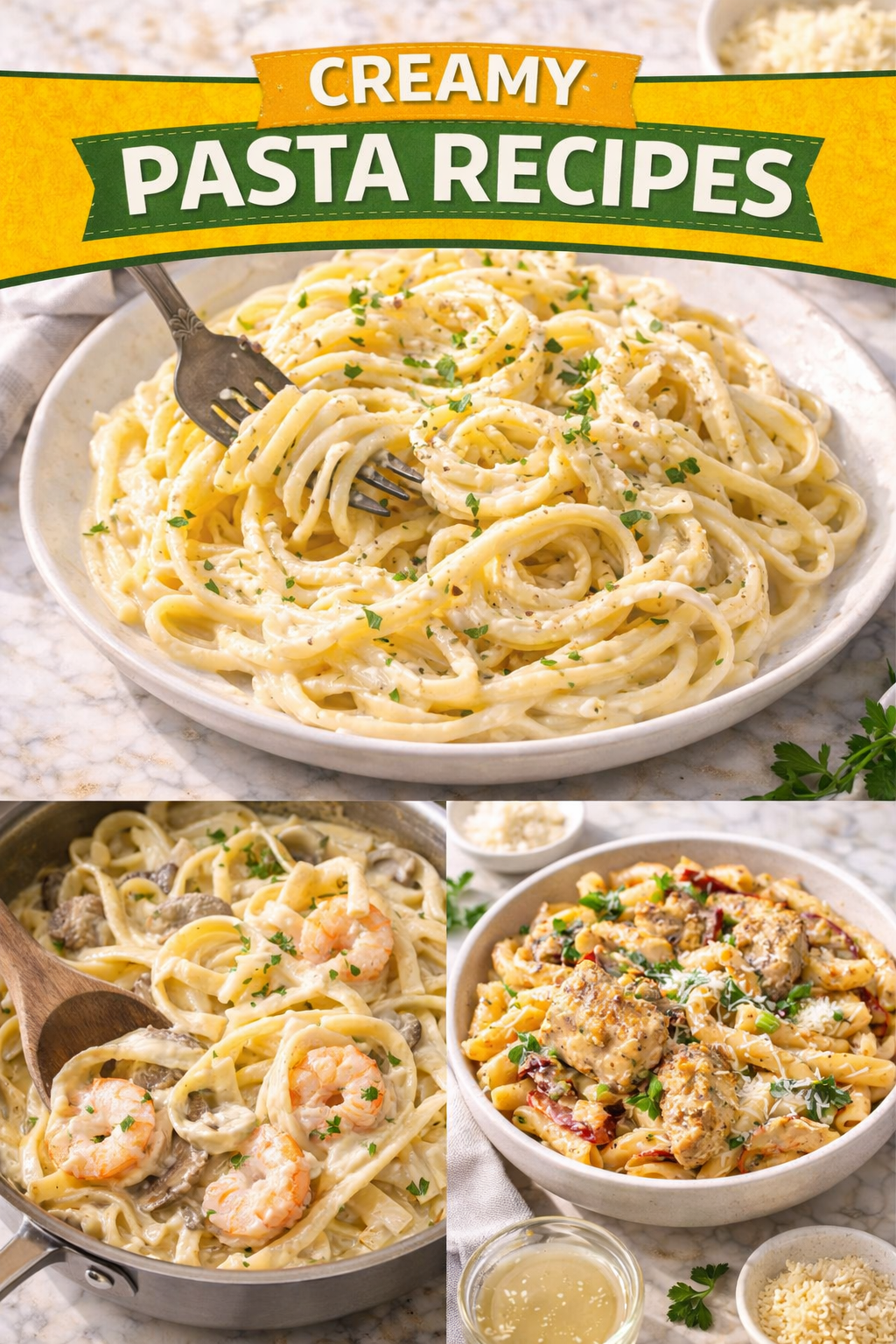
I’m sharing five of my go-to creamy pasta recipes that have become staples in my kitchen. These aren’t your basic alfredo situations. We’re talking garlic butter tuscan chicken pasta, vodka sauce that’ll make you forget Gigi Hadid’s version even exists, and a mushroom cream sauce that tastes like it took hours but comes together in 20 minutes.
Let’s get into it.
What You’ll Need
I’m breaking this down by recipe so you can pick your favorite (or make all five this week, no judgment).
For Classic Fettuccine Alfredo:
- 1 lb fettuccine pasta
- 1 cup heavy cream
- 1 cup freshly grated Parmesan cheese (the good stuff, not the green can)
- 4 tablespoons unsalted butter
- 3 cloves garlic, minced
- Salt and black pepper to taste
- Fresh parsley for garnish
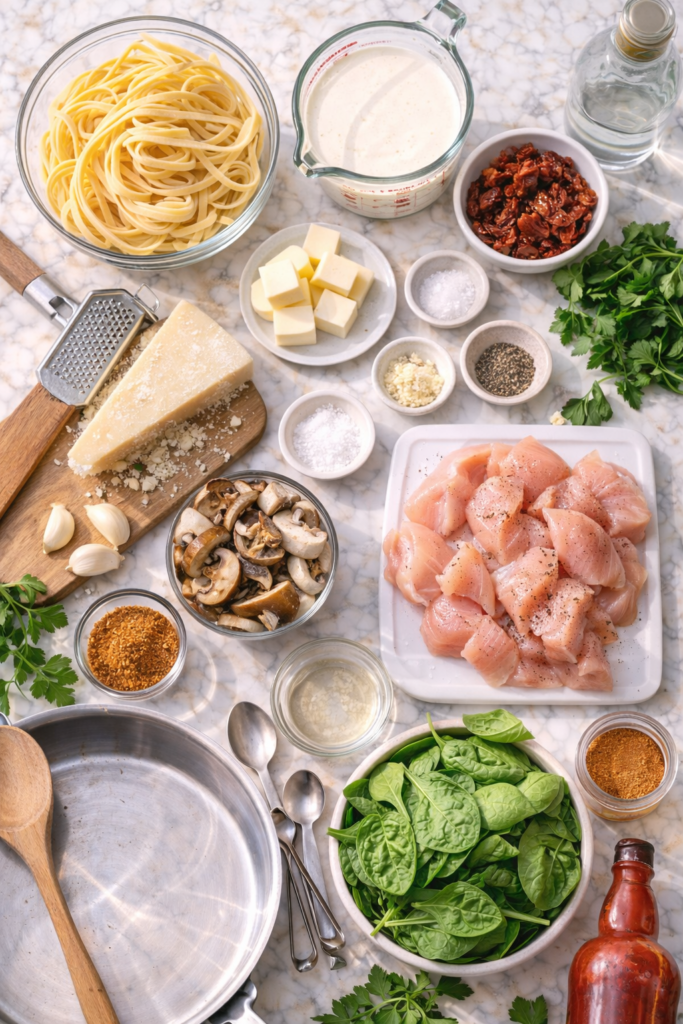
For Garlic Butter Tuscan Chicken Pasta:
- 1 lb penne or rigatoni
- 2 large chicken breasts, cut into bite-sized pieces
- 1½ cups heavy cream
- 1 cup chicken broth
- ¾ cup sun-dried tomatoes, chopped
- 2 cups fresh spinach
- 1 cup Parmesan cheese, grated
- 6 cloves garlic, minced
- 4 tablespoons butter
- 1 teaspoon Italian seasoning
- ½ teaspoon red pepper flakes
- Salt and pepper to taste
For Vodka Sauce Pasta:
- 1 lb rigatoni or penne
- 2 tablespoons olive oil
- 4 cloves garlic, minced
- ½ cup vodka
- 1 (28 oz) can crushed tomatoes
- 1 cup heavy cream
- ½ cup Parmesan cheese, grated
- 2 tablespoons butter
- 1 teaspoon red pepper flakes
- Fresh basil
- Salt to taste
For Mushroom Cream Pasta:
- 1 lb pasta (fettuccine or tagliatelle work great)
- 1 lb mixed mushrooms (cremini, shiitake, oyster), sliced
- 1½ cups heavy cream
- ½ cup white wine
- 1 cup Parmesan cheese, grated
- 4 tablespoons butter
- 4 cloves garlic, minced
- 2 tablespoons fresh thyme
- Salt and pepper to taste
For Cajun Chicken Alfredo:
- 1 lb fettuccine
- 2 large chicken breasts, sliced
- 1½ cups heavy cream
- 1 cup Parmesan cheese, grated
- 4 tablespoons butter
- 4 cloves garlic, minced
- 2 tablespoons Cajun seasoning
- 1 red bell pepper, sliced
- Salt and pepper to taste
- Fresh parsley
Pro Tips
Here’s what I wish someone had told me before I made my first creamy pasta:
Save that pasta water like your dinner depends on it (because it does). That starchy water is liquid gold for adjusting sauce consistency. I always scoop out at least 2 cups before draining. The starch helps the sauce cling to every piece of pasta instead of pooling at the bottom of your bowl.
Room temperature matters more than you think. Take your heavy cream out of the fridge 30 minutes before cooking. Cold cream hitting a hot pan can break your sauce and give you that curdled, grainy texture nobody wants. Also, add your Parmesan off the heat. High heat + cheese = clumpy disaster.
Your pasta should be slightly undercooked. I’m talking 1-2 minutes less than the package directions. You’re going to finish cooking it in the sauce, and this is where the magic happens. The pasta absorbs all those flavors while releasing more starch to thicken everything up.
Garlic burns in like 30 seconds flat. I learned this the hard way after ruining three batches of alfredo. Cook it just until fragrant (maybe 45 seconds max), then immediately add your liquid ingredients. Burnt garlic tastes bitter and there’s no coming back from it.
Low and slow wins the race. I know you’re hungry, but cranking up the heat will split your sauce faster than you can say “why is this grainy?” Keep it at medium-low once you add the cream. Patience gets you that glossy, silky texture Instagram dreams are made of.
Tools You’ll Need
| Tool | Why You Need It |
|---|---|
| Large pot (6-8 quarts) | For cooking pasta with enough room to move around |
| Large skillet or sauté pan | At least 12 inches for combining pasta and sauce |
| Wooden spoon or silicone spatula | Won’t scratch your pan and perfect for stirring |
| Colander | For draining pasta (obvious but essential) |
| Measuring cups | Because eyeballing heavy cream is a recipe for disaster |
| Tongs | For tossing pasta with sauce like a pro |
| Microplane or grater | Fresh grated Parmesan makes ALL the difference |
| Ladle | For adding pasta water gradually |
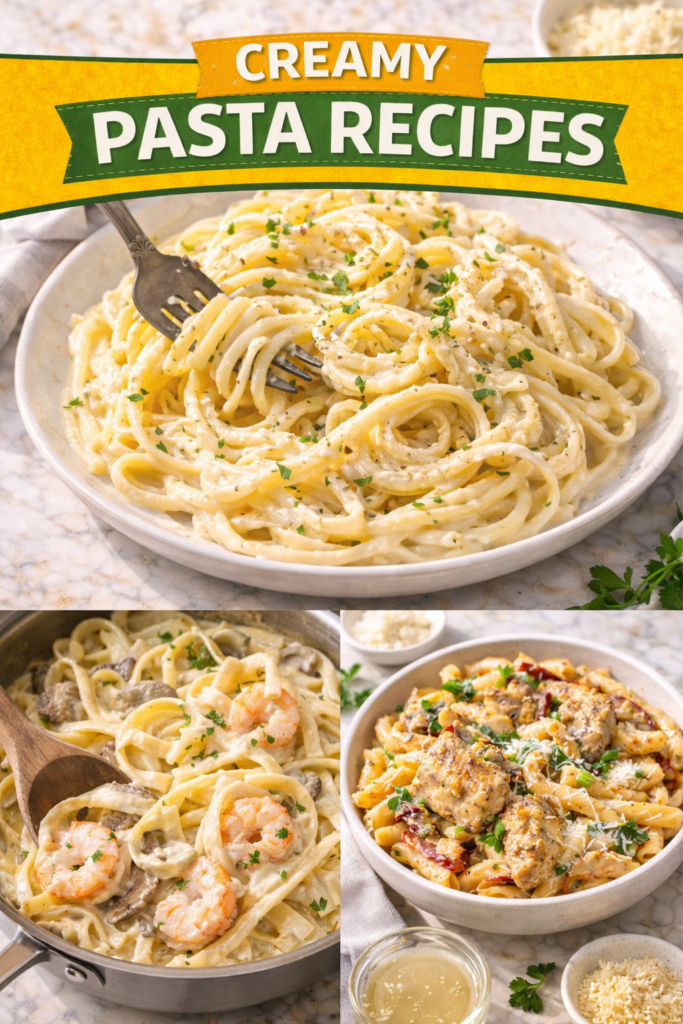
How to Make Each Recipe
Classic Fettuccine Alfredo
Start by bringing a large pot of salted water to boil. And I mean salted – it should taste like the ocean. Cook your fettuccine until it’s just shy of al dente, about 8-9 minutes.
While the pasta cooks, melt butter in your largest skillet over medium heat. Add the minced garlic and cook for about 45 seconds until fragrant.
Pour in the heavy cream and let it come to a gentle simmer. This takes about 3-4 minutes. Don’t rush it.
Remove the pan from heat (this is crucial) and stir in the Parmesan cheese. Keep stirring until it’s completely melted and the sauce looks smooth.
Drain your pasta but save 2 cups of that pasta water. Add the fettuccine directly to your sauce and toss everything together. If it looks too thick, add pasta water a little at a time until you get that silky consistency.
Season with salt and pepper, garnish with fresh parsley, and serve immediately.
Time: 20 minutes total
Garlic Butter Tuscan Chicken Pasta
Season your chicken pieces with salt, pepper, and half the Italian seasoning. Heat 2 tablespoons of butter in a large skillet over medium-high heat.
Cook the chicken until golden brown and cooked through, about 6-7 minutes. Remove and set aside.
In the same pan, add the remaining butter and garlic. Cook for 30 seconds, then add the sun-dried tomatoes. Let them get a little caramelized, about 2 minutes.
Pour in the chicken broth and heavy cream. Bring to a simmer and let it reduce for about 5 minutes. The sauce should coat the back of a spoon.
Stir in the spinach and watch it wilt into the sauce. Add the Parmesan, remaining Italian seasoning, and red pepper flakes.
Meanwhile, cook your pasta according to package directions minus 2 minutes.
Add the pasta and chicken back to the sauce. Toss everything together and let it cook for another 2 minutes. The pasta will soak up all those flavors.
Time: 30 minutes total
Vodka Sauce Pasta
Here’s where things get fun. Cook your pasta in heavily salted boiling water until just before al dente.
Heat olive oil in a large pan over medium heat. Add garlic and red pepper flakes, cooking for about 30 seconds.
Time for the vodka. Pour it in and let it simmer for 3-4 minutes until reduced by half. This cooks off the alcohol but leaves all that flavor.
Add your crushed tomatoes and let everything simmer for 10 minutes. The sauce should thicken up nicely.
Stir in the heavy cream and butter. The sauce will turn this gorgeous peachy-pink color. Let it simmer for another 5 minutes.
Add the Parmesan and stir until melted. Taste and adjust salt.
Drain your pasta (save that water!) and add it to the sauce. Toss for 2 minutes, adding pasta water if needed.
Finish with fresh basil torn over the top.
Time: 35 minutes total
Mushroom Cream Pasta
Clean and slice your mushrooms. Mix of varieties gives you way more flavor depth than just button mushrooms.
Melt butter in a large skillet over medium-high heat. Add the mushrooms in a single layer and don’t touch them for 3-4 minutes. This is how you get that golden-brown caramelization.
Stir and cook another 3 minutes until they’re perfectly golden. Add the garlic and thyme, cooking for 1 minute.
Pour in the white wine and let it reduce by half, about 3 minutes. Scrape up any brown bits from the bottom – that’s pure flavor.
Add the heavy cream and bring to a gentle simmer. Let it reduce for about 8 minutes until it’s thick enough to coat the back of a spoon.
While the sauce reduces, cook your pasta until almost al dente.
Remove the sauce from heat and stir in the Parmesan. Add the drained pasta and toss everything together.
Season with salt and pepper. If it’s too thick, add some pasta water.
Time: 30 minutes total
Cajun Chicken Alfredo
Coat your chicken slices in Cajun seasoning. Heat 2 tablespoons of butter in a large skillet over medium-high heat.
Cook the chicken until blackened and cooked through, about 6 minutes per side. Remove and set aside.
Add remaining butter to the pan along with the sliced bell pepper. Cook for 3 minutes until softened.
Add garlic and cook for 30 seconds. Pour in the heavy cream and bring to a simmer.
Let it reduce for about 5 minutes, then remove from heat and stir in the Parmesan.
Cook your pasta until just under al dente. Drain and add to the sauce along with the chicken.
Toss everything together, adding pasta water if needed to loosen the sauce.
Top with fresh parsley and extra Parmesan.
Time: 30 minutes total
Substitutions and Variations
Cream substitutes: If you’re out of heavy cream, you can use half-and-half, but your sauce won’t be as thick or rich. Add an extra tablespoon of butter to compensate. I’ve also used full-fat coconut milk for a dairy-free version, and it actually works pretty well.
Pasta shapes: Long pastas like fettuccine and linguine are traditional for alfredo-style sauces. But honestly, use what you have. Penne, rigatoni, and shells all hold sauce really well. Even spaghetti works in a pinch.
Protein swaps: Don’t eat chicken? Shrimp works beautifully in any of these recipes. Cook it for just 2-3 minutes per side. Italian sausage is another great option – just remove the casings and crumble it.
Cheese alternatives: No Parmesan? Pecorino Romano gives you a sharper, saltier flavor. Asiago works too. In desperate times, I’ve even used a quality cheddar (not traditional, but still tasty).
Vegetarian versions: Skip the chicken and double up on vegetables. Roasted cherry tomatoes, zucchini, broccoli, or asparagus all work great. Just toss them in olive oil, salt, and pepper, and roast at 425°F for 15-20 minutes.
Spice it up: All of these recipes can handle more heat. Add extra red pepper flakes, diced jalapeños, or a dash of cayenne pepper.
Make Ahead Tips
Here’s the thing about creamy pasta – it’s best served fresh. But life happens and sometimes you need options.
Prep the components: You can cook and season the chicken up to 2 days ahead. Same with chopping all your vegetables and measuring out ingredients. Store everything in airtight containers in the fridge.
The sauce situation: Cream sauces can be made a few hours ahead and kept warm on the lowest heat setting. Stir occasionally and add a splash of pasta water or cream if it thickens too much. Don’t refrigerate cream sauce – it splits when you reheat it.
Partial cooking: Cook your pasta 3-4 minutes less than al dente, drain, and toss with a tiny bit of olive oil. When you’re ready to serve, drop it in boiling water for 1 minute to warm through, then add to your freshly made sauce.
Freeze what you can: The vodka sauce (before adding cream) freezes beautifully for up to 3 months. Thaw overnight in the fridge, reheat, and add the cream when you’re ready to serve.
Nutritional Information
I’m giving you rough estimates here because exact numbers vary based on portion size and specific brands you use.
| Recipe | Calories (per serving) | Protein | Carbs | Fat |
|---|---|---|---|---|
| Classic Alfredo | 680 | 22g | 58g | 38g |
| Tuscan Chicken | 720 | 42g | 62g | 32g |
| Vodka Sauce | 640 | 18g | 68g | 28g |
| Mushroom Cream | 590 | 20g | 60g | 30g |
| Cajun Chicken | 710 | 40g | 60g | 34g |
Based on 4-6 servings per recipe
Want to lighten things up? Use half heavy cream and half milk (whole milk works best). You’ll cut about 100-150 calories per serving, though the sauce won’t be quite as rich.
Meal Pairing Suggestions
Creamy pasta is rich, so you want sides that balance it out.
Salads that actually complement: A simple arugula salad with lemon vinaigrette cuts through all that richness perfectly. Or try a Caesar salad with romaine, Parmesan, and a lemony dressing. The acidity is key.
Bread choices: Garlic bread is obvious but crusty Italian bread or a warm baguette works just as well. I like to toast it and rub a cut garlic clove over the surface.
Vegetables: Roasted asparagus, sautéed green beans, or roasted Brussels sprouts all work. You want something with a little char or crisp to contrast the creamy pasta.
Wine pairings: White wines work best here. A crisp Pinot Grigio or Sauvignon Blanc for the alfredo and mushroom pasta. For vodka sauce, try a light Chianti. The Tuscan and Cajun versions pair well with an oaked Chardonnay.
Cooking Time Efficiency Tips
Mise en place is real: Get everything measured and chopped before you start cooking. Once that pan heats up, things move fast. Having your garlic minced, cheese grated, and cream measured saves you from burning something while you frantically search for the measuring cup.
Multi-task smartly: Start your pasta water first since it takes forever to boil. While it heats, prep your ingredients. Once the pasta goes in, start your sauce. They should finish around the same time.
One pan when possible: For recipes with chicken, I cook the protein first, remove it, then make the sauce in the same pan. All those browned bits add flavor and you save on cleanup.
Batch grate your Parmesan: If you’re making multiple pasta dishes this week, grate a big batch of Parmesan and store it in an airtight container in the fridge. It’ll last about a week and save you time.
Leftovers and Storage
Let’s be real – creamy pasta is never quite the same the next day. But with a few tricks, you can get close.
Refrigerate properly: Let the pasta cool completely before storing. Put it in an airtight container and it’ll keep for 3-4 days in the fridge.
Reheating is an art: Don’t use the microwave if you can help it. Reheat in a pan over low heat with a splash of milk or cream. Stir constantly until warmed through. This brings back some of that silky texture.
If you must microwave: Add a tablespoon of milk or cream before heating. Microwave in 30-second intervals, stirring between each. It won’t be perfect but it’s better than dried-out pasta.
Freezing: I don’t recommend freezing cream-based pasta. The sauce separates and gets grainy when thawed. The vodka sauce (without cream) is the only exception.
Repurpose leftovers: Cold creamy pasta makes a surprisingly good base for a pasta salad. Add some fresh vegetables, a squeeze of lemon, and extra Parmesan. Or bake it into a pasta casserole topped with mozzarella and breadcrumbs.
FAQ
Why does my alfredo sauce get clumpy?
You’re either adding the cheese while the pan is too hot or using pre-grated Parmesan. Remove the pan from heat before adding cheese, and always grate your own. Pre-shredded cheese has anti-caking agents that make it clump.
Can I use milk instead of heavy cream?
You can, but it won’t be as thick or rich. If you go this route, make a slurry with 1 tablespoon of cornstarch and 2 tablespoons of milk. Add it to the sauce to help thicken it up.
How do I fix a broken cream sauce?
If your sauce looks curdled or separated, remove it from heat immediately. Whisk in a tablespoon of cold cream or a splash of pasta water. Keep whisking until it comes back together. Prevention is easier though – keep your heat low and don’t let it boil.
Why is my sauce too thin?
Either you didn’t reduce it enough or you added too much pasta water. Let it simmer longer to reduce and thicken. Or make a quick slurry with cornstarch and water, then whisk it in.
Can I make this without alcohol in the vodka sauce?
The vodka helps break down tomatoes and releases flavors you can’t get otherwise. But if you need to skip it, use an extra 1/4 cup of chicken broth mixed with 1 teaspoon of white wine vinegar. It’s not identical but it works.
How do I get restaurant-quality sauce at home?
Three secrets: use freshly grated Parmesan, save and use pasta water to adjust consistency, and finish your pasta in the sauce instead of just tossing them together. That last bit makes a huge difference.
Can I use dried herbs instead of fresh?
Yes, but use about 1/3 of the amount since dried herbs are more concentrated. Add them earlier in the cooking process so they have time to rehydrate and release their flavors.
Why does my garlic taste bitter?
You burned it. Garlic goes from perfect to burnt in about 10 seconds. Keep the heat at medium or medium-low and add liquid ingredients as soon as the garlic is fragrant.
Wrapping Up
There’s something satisfying about pulling off a restaurant-quality creamy pasta at home.
And now you’ve got five different versions to work with. Some take 20 minutes, others need 35, but none of them require you to be a professional chef or own fancy equipment.
Start with whichever recipe sounds best to you. Maybe it’s the classic alfredo because you want to master the basics first. Or maybe you’re diving straight into that Tuscan chicken pasta because sun-dried tomatoes and spinach are calling your name.
The techniques you learn from one recipe apply to all of them. Once you nail that silky sauce consistency, you can experiment and create your own versions.
I’d love to hear which one you try first. Drop a comment below and let me know how it turns out. And if you run into any issues or have questions while you’re cooking, ask away. We’re all figuring this out together.